Insights & Specification Guides
What we have learned building temperature-controlled enclosures, and what we would want to know if we were buying one. Written for architects, contractors and estate managers who have to defend a specification, not for search engines.
Engineering & Materials
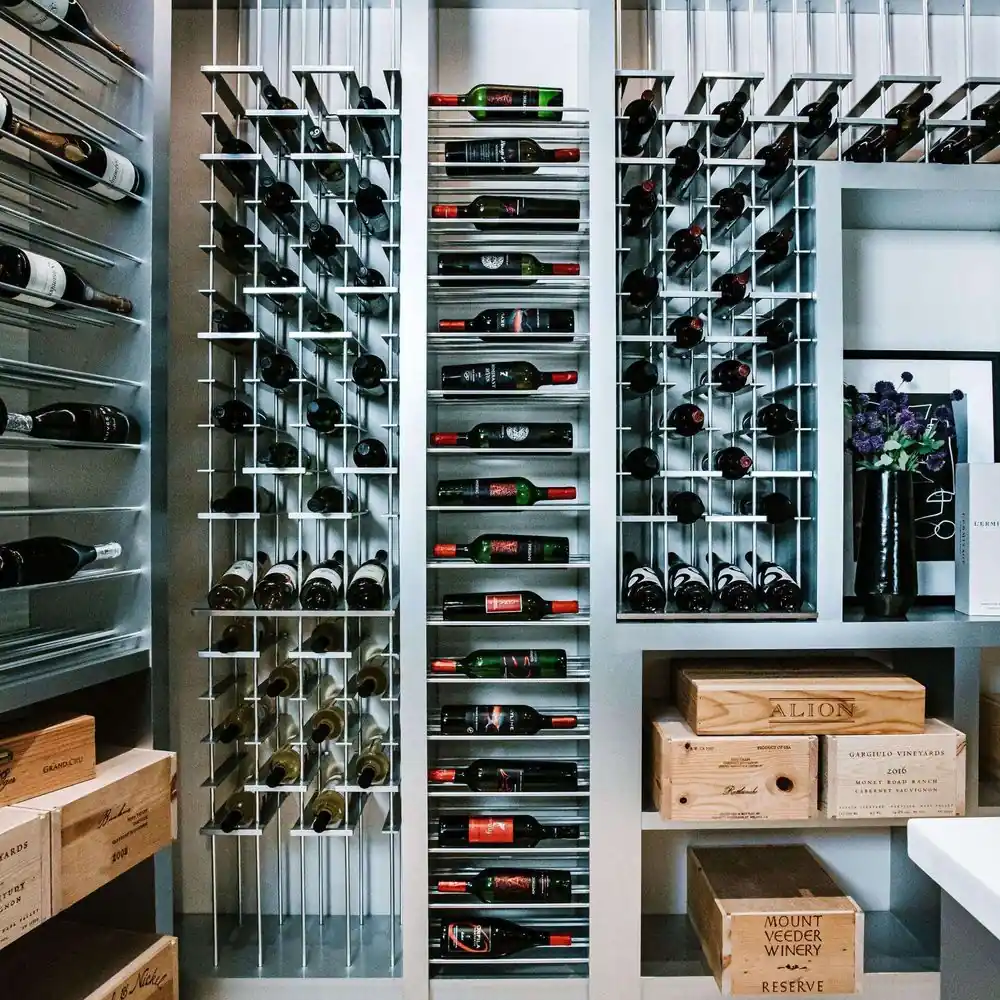
Wine Cellar Temperature and Humidity: A Specification Guide for Architects
Setpoint versus swing, vapour barrier placement, the five cooling-load sources most specs miss, and the sensor position that decides whether a warranty claim is provable.
9 min read · 19 Oct 2026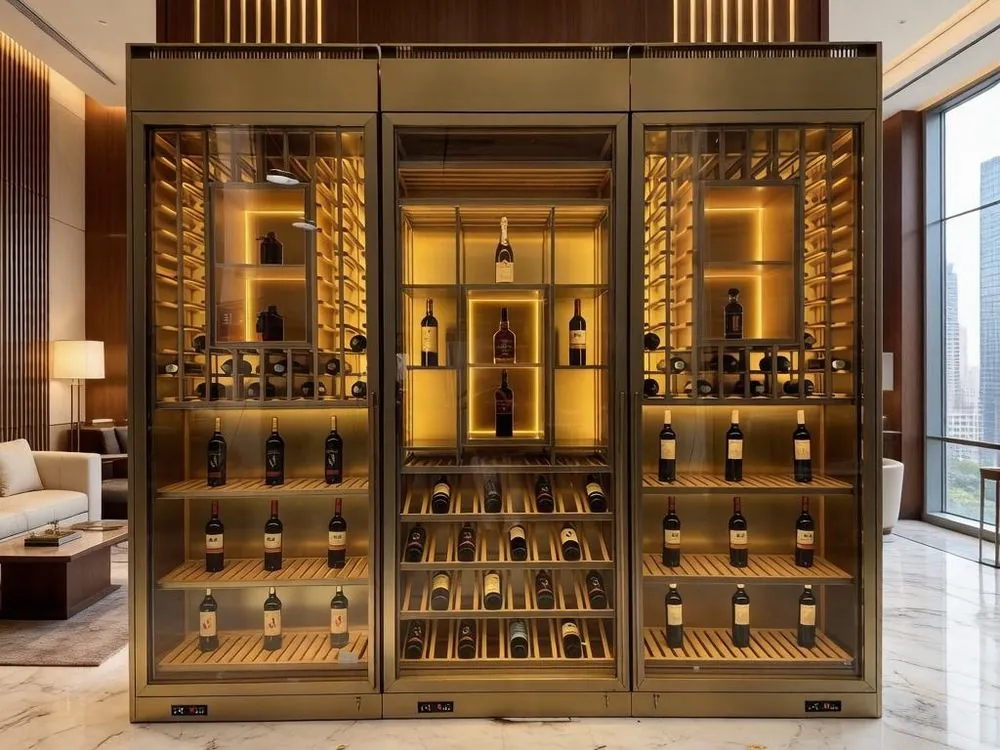
SUS304 vs 201 Stainless Steel in Wine Storage: Where Each One Fails
Two austenitic grades that look identical under a brushed finish. What the alloy numbers mean, why the magnet test is worthless, and the spec clause that stops substitution.
8 min read · 19 Oct 2026Buying Guides
Walk-In Cellar vs Freestanding Cabinet: Which to Specify
Capacity, cooling load, installation reality and service access — the decision table for projects that have not committed yet.
Commercial Cigar Humidor Cabinet: A Buyer's Checklist
Cedar lining claims, humidity stability, locking and electrical compliance for lounges, hotels and retail.
Restaurant Wine Storage: Specifying a Display Cellar
Redundancy, glass walls in dining rooms, by-the-glass turnover and the back-bar space nobody budgets for.
Industry Trends
Glass Cellars as Architectural Focal Points
How hospitality and residential projects are treating wine storage as a room divider rather than a back-of-house function.
Hospitality Bar Counters: What Fails First
Service life of sinks, ice bins and finishes under commercial cleaning regimes.
How this desk writes
- No invented numbers. If a figure is not from a standard, a test record or the project itself, it does not appear.
- No invented clients or projects. Case material is published only with the client's permission and only when the photographs are real.
- Ranges are labelled as ranges. Nominal alloy compositions, typical humidity bands and similar values are presented as industry ranges, not as guarantees for a specific unit.
- Corrections are dated. If a published article is wrong, it is corrected on the page and the modification date is updated rather than quietly rewritten.
If you spot an error, or want a topic covered, write to kenny@viphonya.com — the engineer who owns the drawing usually answers.
Have a project with a specification to settle?
Send the drawings, the room assembly and the bottle count. You will get a load check and a written comment from the engineering desk — no sales sequence, no obligation.